
The Steward of Self
Physical Health - Mental & Emotional Wellbeing - Time & Focus
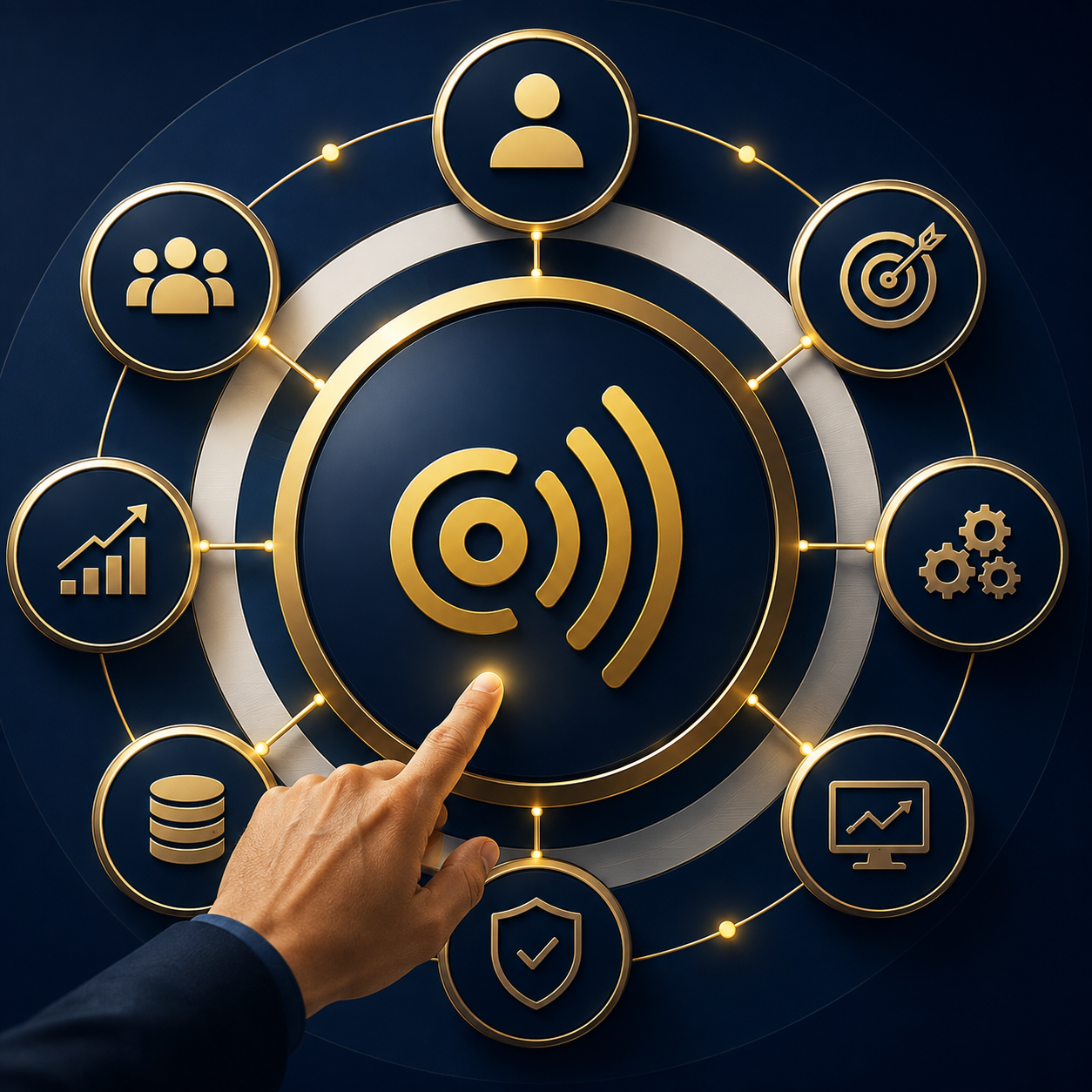
Your life begins with how you steward yourself. Caring for your physical health, mental and emotional well-being, and the limited time and attention you have helps you develop the capacity to live, work and contribute well. These are lifelong responsibilities that change as you move through different seasons of life.

The Steward of Lifework
Career - Skills & Talents - Finances & Wealth
These stewardships shape how you contribute, develop and provide. Your career, skills, talents and financial resources require intentional development and responsible management. As your responsibilities and opportunities change, so does the way you steward your lifework.

The Steward of Connection
Relationships & Community - Environment & Spaces
These are the connections that surround and support your life. Stewardship means intentionally nurturing the people you are connected to, contributing to the communities you belong to, and caring for the environments and spaces entrusted to you. It is about building healthy relationships, participating meaningfully in community, and creating surroundings that support the people and life you are responsible for.
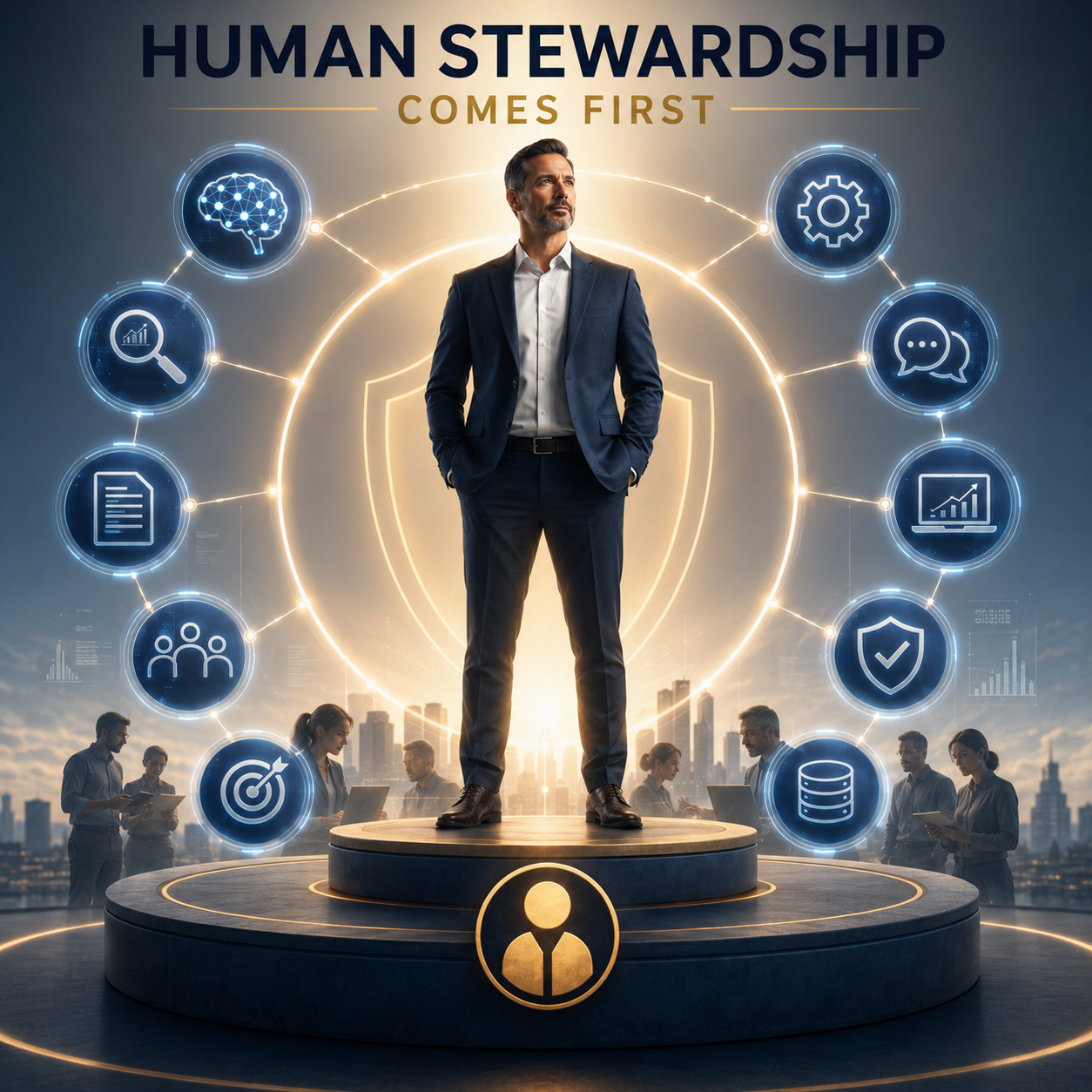
Human Stewardship Comes First
AI does not replace the steward. The human remains responsible for the purpose of the stewardship, the values that guide it, the judgement required to make decisions, and the accountability for its outcomes. AI is introduced into the stewardship as a capability that strengthens the steward’s ability to carry that responsibility. It can analyse information, perform defined tasks, maintain continuity, and support execution, but it does not inherit responsibility simply because it performs the work. This distinction establishes the foundation for Human–AI Collaboration: technology serves the stewardship, while the human steward remains responsible for ensuring that the stewardship is carried out properly.
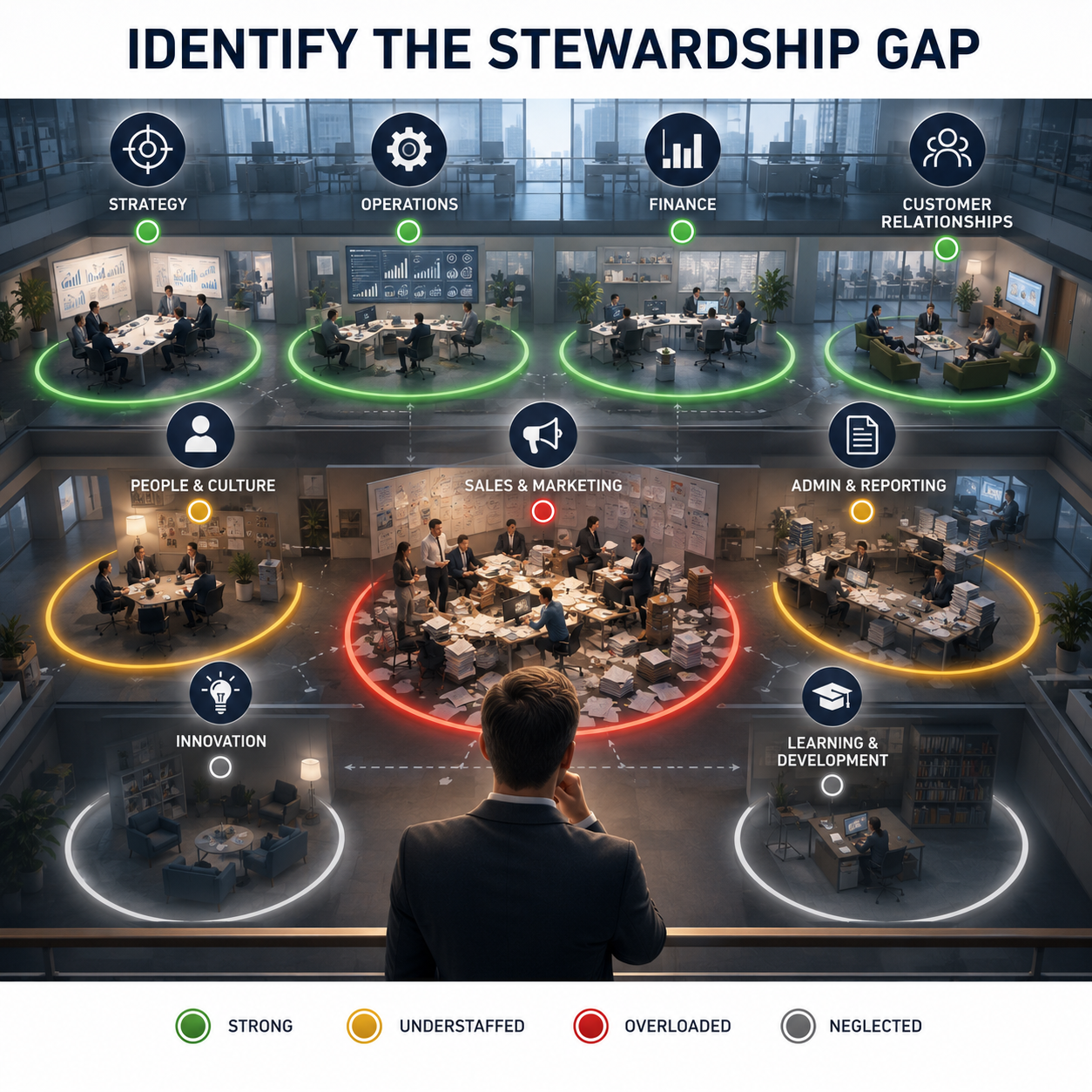
Identify the Stewardship Gap
When we examine an organisation, we do not begin by asking, “Where can we use AI?” We first ask, “Where is stewardship weak?” Every organisation contains responsibilities that must be carried, yet some may be understaffed, inconsistent, delayed, poorly structured, or not happening at all. Others may consume disproportionate amounts of human time without creating corresponding value. These stewardship gaps reveal where capability is missing or where the underlying process needs attention. By identifying the gap first, we create a disciplined basis for introducing AI. The question is no longer how to use AI because it is available, but where additional intelligence and capability can strengthen the organisation’s ability to function.
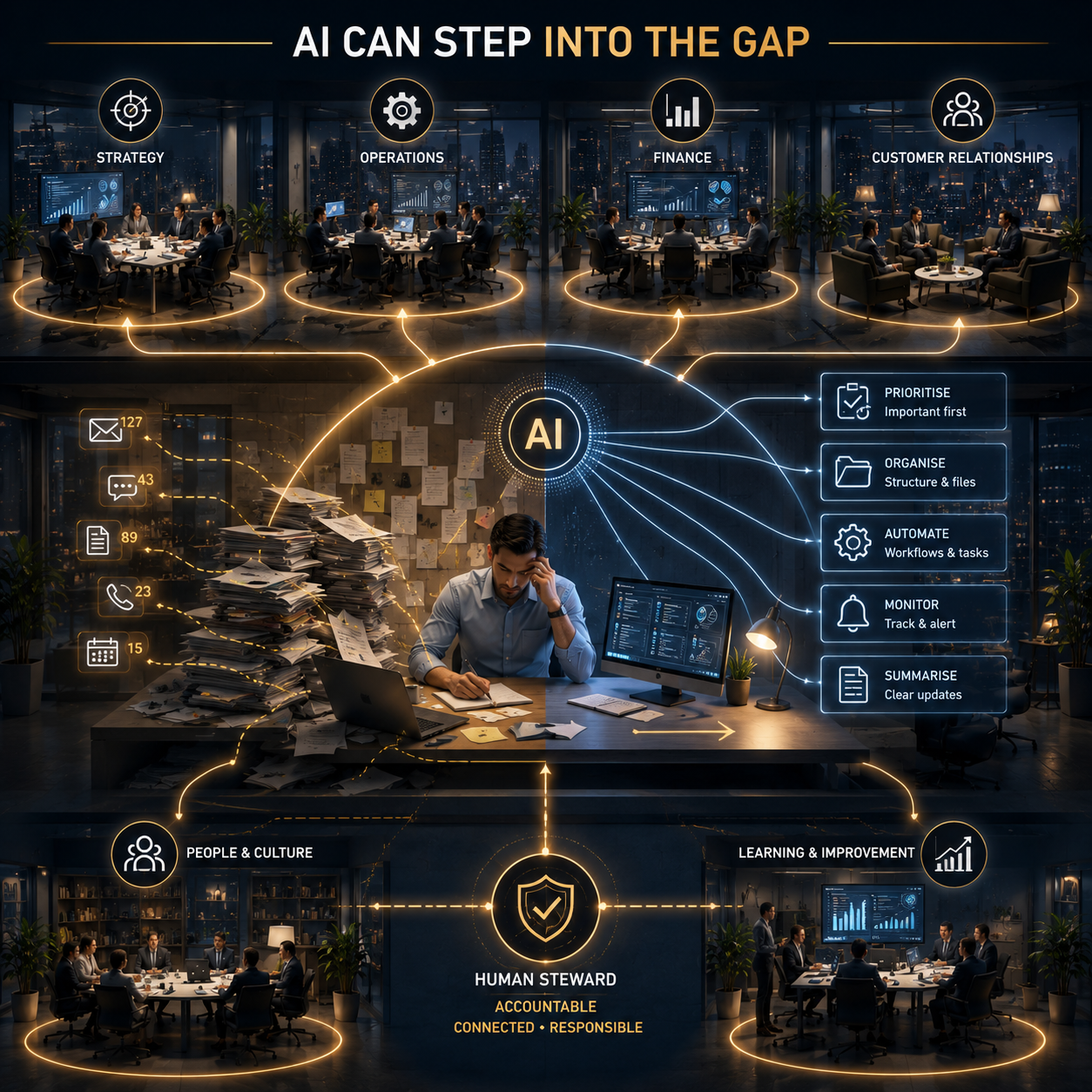
AI Can Step Into the Gap
Where AI is capable of carrying a defined responsibility, it can initially act as an AI steward. This is particularly valuable for smaller organisations that cannot afford a person for every required function. Marketing, sales support, research, administration, digital communication, monitoring and other digitally enabled responsibilities can increasingly be supported, and in some cases independently operated, by AI. The purpose is not simply to reduce headcount or automate work. AI can provide continuity where a stewardship is weak, create capacity where resources are limited, and help establish the systems required for the responsibility to function properly. Even when AI carries the work, the responsibility remains connected to a human steward who provides direction and accountability.
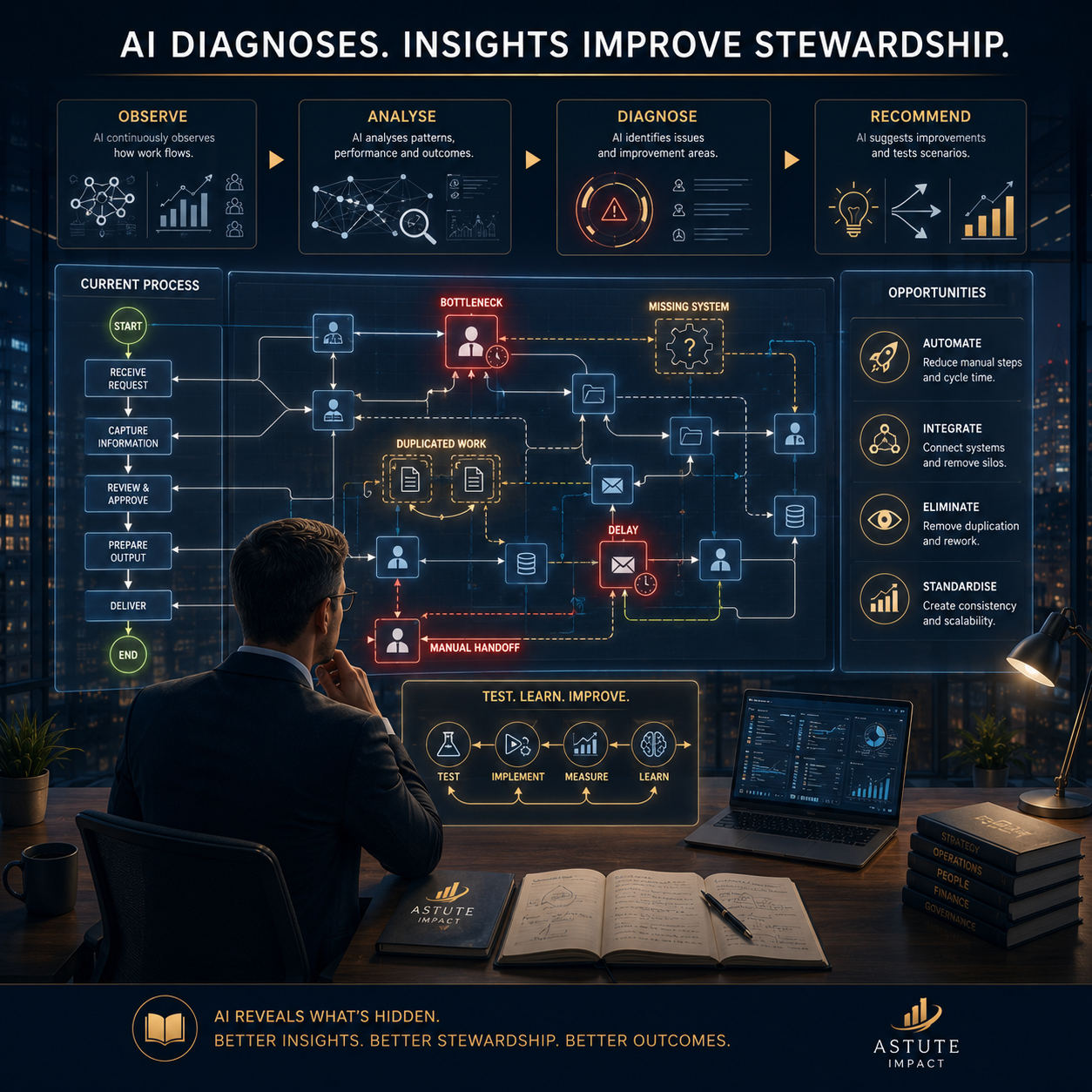
AI Doesn't Just Do the Work — It Helps Diagnose the Stewardship
AI does not just have to perform the existing work faster. It can also help diagnose the stewardship itself. By observing how a responsibility operates, AI can identify bottlenecks, missing systems, duplicated effort, inconsistent decisions, information gaps and opportunities for improvement. It can compare patterns, test possible changes, and help determine which way of working produces stronger results. This means AI can become both an operator and a diagnostic capability within the stewardship. The objective is not to automate a broken process and make the problem move faster. It is to understand why the stewardship is struggling, strengthen the underlying system, and establish a better way of working. In doing so, the organisation learns what the stewardship actually needs.
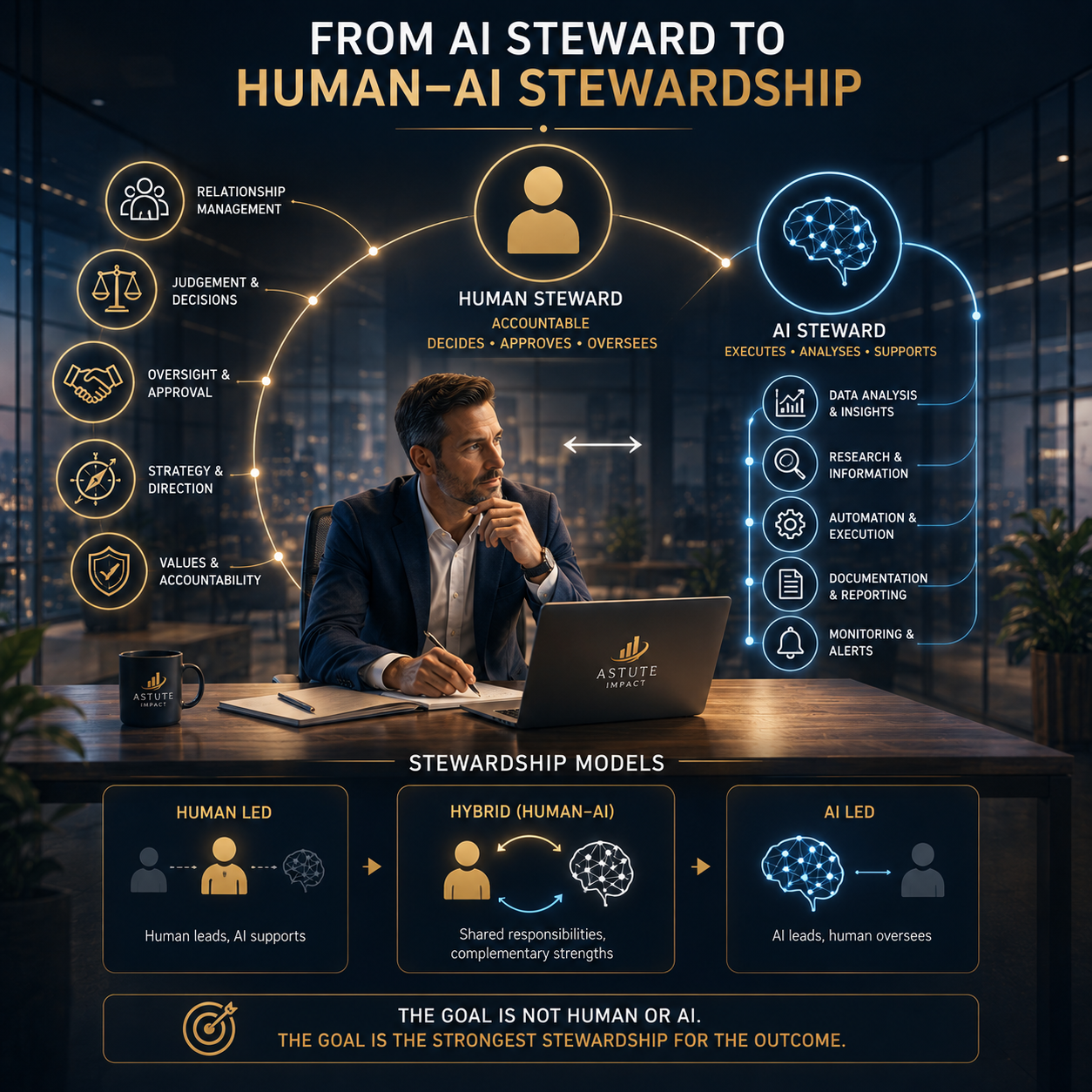
From AI Steward to Human–AI Stewardship
Once the stewardship is functioning properly, the relationship between human and AI can evolve. AI may continue carrying substantial responsibility while the human steward provides oversight, judgement, relationship management and approval where required. In some cases, the stewardship may become predominantly human; in others, predominantly AI. Many will be strongest as a hybrid model, where each contributes what it does best. The objective is therefore not to decide in advance that every stewardship must be human or AI. It is to determine which combination creates the strongest stewardship for that responsibility, at that stage of the organisation’s development. The model can then change as the work, evidence, technology and needs of the organisation change.
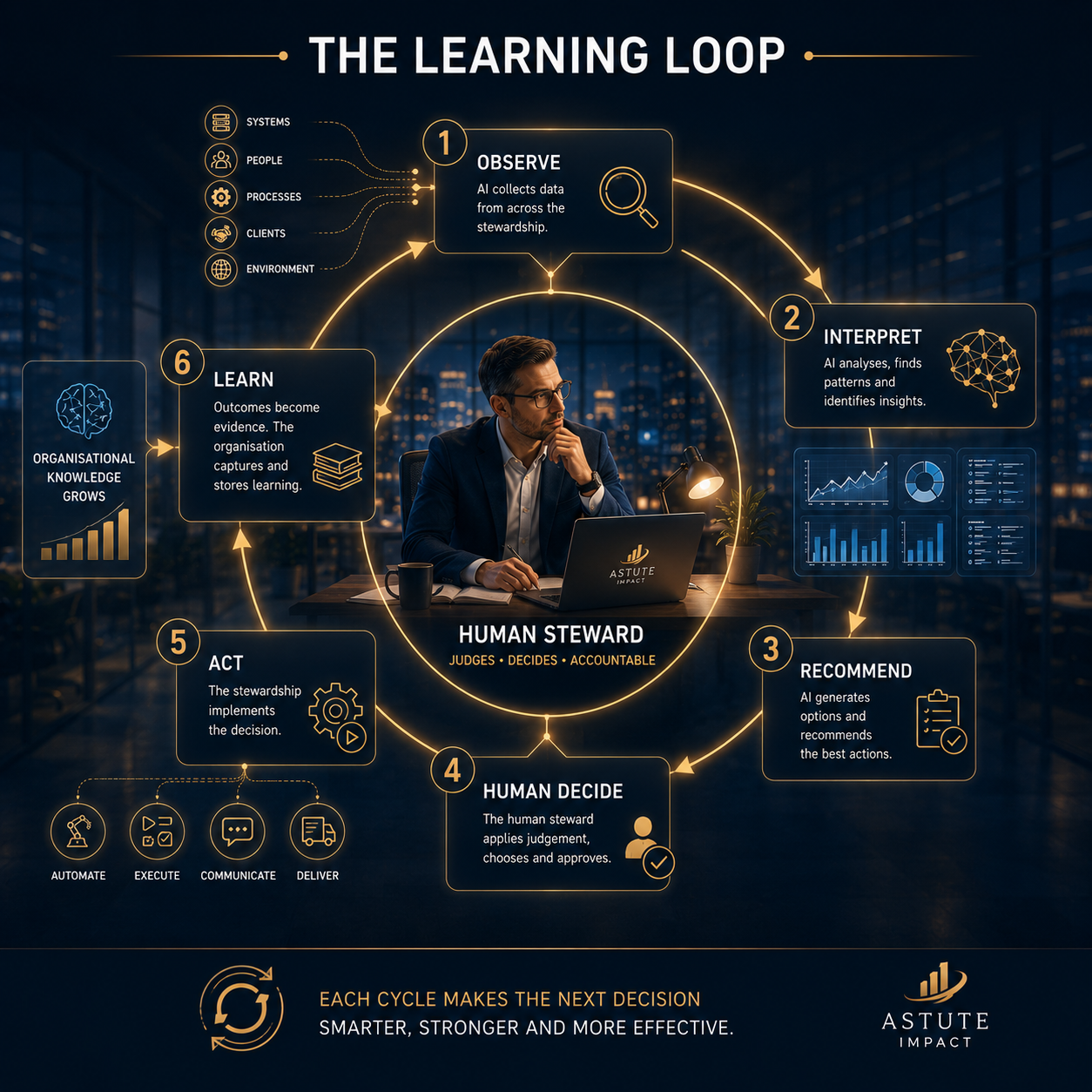
The Learning Loop
This is where the learning loop brings Human–AI Collaboration together. AI observes and analyses the stewardship, interprets patterns, and produces recommendations. The human steward applies judgement and remains accountable for the decision. The stewardship then acts, and the outcome becomes evidence. That evidence is captured, structured and carried forward as organisational learning. The next cycle can therefore begin with more intelligence than the previous one. Over time, this creates a system that does not simply repeat established work, but continually observes, learns, improves and adapts. The value of Human–AI Collaboration is ultimately found in this increasing capability: better decisions create better actions, better actions create better evidence, and better evidence strengthens the next decision.